


Boosting Safety with Optimized Foundation Designs
Safety is the cornerstone of every successful industrial and infrastructure project. We know that the foundation is the literal base upon which all structures stand. Optimizing foundation designs is not just a technical necessity; it is a strategic imperative. When we focus on foundation design optimization, we reduce risks, enhance durability, and ensure long-term stability. This post explores how we can boost safety by applying optimized foundation designs in heavy industrial and infrastructure projects.
The Importance of Foundation Design Optimization
Foundation design optimization is about more than just meeting building codes. It involves carefully analyzing soil conditions, load requirements, and environmental factors to create a foundation that performs reliably under all expected conditions. By optimizing foundation designs, we:
Minimize settlement and structural movement
Improve load distribution and resistance to external forces
Reduce construction costs by avoiding overdesign
Enhance safety margins for critical infrastructure
For example, in projects where soil variability is high, an optimized design might include deep foundations such as piles or drilled shafts to transfer loads to stable strata. In contrast, shallow foundations might suffice in uniform, strong soils. The key is tailoring the design to the specific site conditions and project demands.

Key Strategies for Foundation Design Optimization
To boost safety through foundation design, we must apply a systematic approach. Here are essential strategies we use:
Comprehensive Site Investigation
We start with detailed geotechnical surveys to understand soil properties, groundwater levels, and potential hazards. This data guides foundation type selection and design parameters.
Load Analysis and Distribution
We calculate all loads the foundation must support, including dead loads, live loads, seismic forces, and wind pressures. Optimizing load paths ensures the foundation handles stresses efficiently.
Material Selection and Quality Control
Choosing the right materials and maintaining strict quality standards during construction prevents premature failure. For example, high-strength concrete and corrosion-resistant reinforcement extend foundation life.
Use of Advanced Design Software
Modern software allows us to simulate foundation behavior under various scenarios. This helps identify weak points and optimize dimensions and reinforcements before construction begins.
Collaboration with Project Teams
Early involvement with engineers, contractors, and owners ensures that foundation designs align with overall project goals and constraints. This collaboration reduces costly redesigns and delays.
By following these strategies, we create foundations that are not only safe but also cost-effective and sustainable.
Integrating Earth Retention Systems for Enhanced Safety
Earth retention systems are critical when working with deep excavations or unstable soils. Optimizing these systems alongside foundation design further boosts safety. Common earth retention methods include:
Sheet Piling
Steel sheets driven into the ground to hold back soil. Optimized designs consider soil pressure, water table, and adjacent structures.
Soldier Piles and Lagging
Vertical steel beams with horizontal lagging boards provide flexible support. Proper spacing and embedment depth are crucial.
Secant and Tangent Pile Walls
Interlocking concrete piles form a continuous wall. This method is effective in tight urban sites.
Soil Nail Walls
Reinforced soil with steel bars grouted into place. This technique stabilizes slopes and excavations.
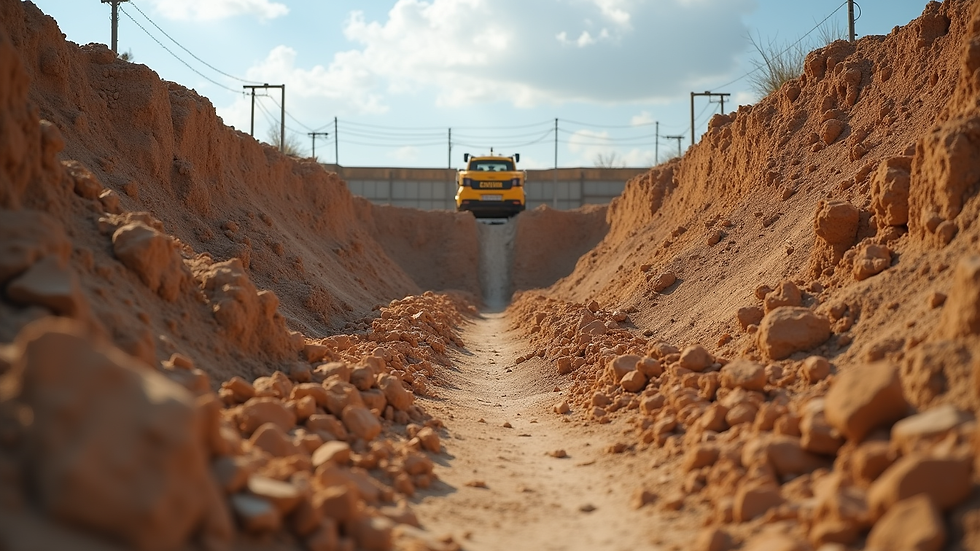
Optimizing earth retention systems involves selecting the right method, sizing components correctly, and sequencing installation to maintain site safety. For example, in a project with high groundwater, combining sheet piling with dewatering systems can prevent soil collapse and flooding.
Practical Recommendations for Implementing Optimized Foundation Designs
To implement optimized foundation designs effectively, we recommend the following actionable steps:
Engage Geotechnical Experts Early
Early geotechnical input prevents surprises during construction. It also allows for foundation design adjustments before procurement and mobilization.
Adopt Performance-Based Design Criteria
Instead of relying solely on prescriptive codes, use performance criteria that reflect actual project risks and conditions. This approach leads to safer, more efficient designs.
Incorporate Redundancy and Safety Factors
While optimization aims to reduce excess, maintaining appropriate safety factors is essential. Redundancy in load paths and materials adds resilience.
Monitor Construction Quality Rigorously
Foundation safety depends on execution. Use real-time monitoring tools and frequent inspections to ensure compliance with design specifications.
Plan for Long-Term Maintenance and Inspection
Foundations are not “set and forget.” Design for accessibility and durability, and establish inspection schedules to detect issues early.
By following these recommendations, we can ensure that foundation designs translate into safe, reliable structures on the ground.
Partnering for Success with Atlas Foundation Maple Grove
We recognize the value of partnering with experienced foundation specialists who understand the complexities of industrial and infrastructure projects. Collaborating early with experts like atlas foundation maple grove allows us to leverage their knowledge in foundation design optimization and earth retention systems.
Their proven track record in delivering high-performance foundation solutions aligns with our goal of boosting safety and efficiency. Together, we can address site-specific challenges, optimize designs, and execute with precision.
Building a Safer Future with Optimized Foundations
Optimized foundation designs are the foundation of safety in heavy industrial and infrastructure projects. By applying rigorous site analysis, advanced design techniques, and collaborative planning, we reduce risks and enhance structural integrity.
We must prioritize foundation design optimization to protect investments, ensure operational continuity, and safeguard lives. The path to safer, more resilient infrastructure starts beneath the surface - with a foundation designed to perform.
Let us commit to building that foundation right.


Comments